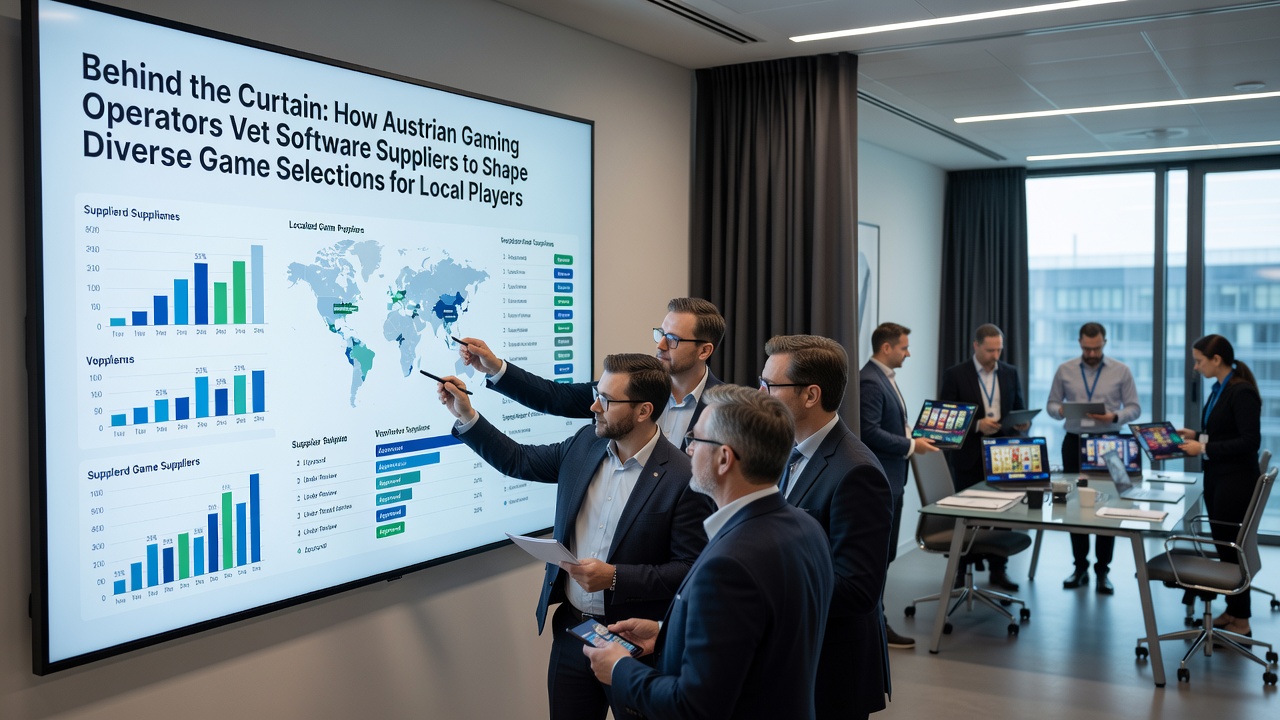
Behind the Curtain: How Austrian Gaming Operators Vet Software Suppliers to Shape Diverse Game Selections for Local Players
Austrian gaming operators maintain structured evaluation processes when selecting software suppliers, and these steps directly influence the range of games available to local players. The process begins with regulatory alignment checks that reference federal and state licensing requirements, which have remained consistent through updates noted in November 2026 reports from industry monitoring groups.
Operators first examine each supplier's licensing credentials and technical certifications, then move to detailed audits of game mathematics, random number generator integrity, and return-to-player percentages. These reviews occur under frameworks established by Austrian authorities and draw on testing protocols recognized across European markets.
Regulatory Foundations Guiding Supplier Selection
Every software supplier must demonstrate compliance with Austria's Glücksspielgesetz and related state-level rules before any game enters the evaluation pipeline. Operators cross-check supplier documentation against these statutes, and they verify that games incorporate mandatory responsible gaming features such as deposit limits and session reminders from the outset.
Data from the Austrian Federal Ministry of Finance shows that approved operators conducted over 120 supplier assessments in the twelve months leading to late 2026, with roughly 35 percent of proposals rejected during initial screening for documentation gaps or non-compliant features.
Technical and Compliance Audits
Once preliminary checks pass, operators commission independent laboratories to test game code and payout algorithms. Suppliers provide full access to source materials, and testing covers volatility profiles, bonus round mechanics, and mobile performance across common Austrian devices and network conditions. Results feed into internal scoring systems that rank suppliers on reliability and regulatory fit.
Those who've studied these procedures note that operators also evaluate each supplier's track record for timely software updates and security patches, because ongoing maintenance directly affects game availability and player experience over time.
Localization and Player Preference Analysis
After technical approval, operators analyze how well a supplier's catalog matches documented preferences among Austrian players. Market data indicates higher engagement with certain slot themes, live dealer formats, and table game variants that reflect local cultural references or seasonal events. Suppliers receive requests to adapt existing titles or develop new ones that incorporate German-language interfaces, euro currency support, and region-specific payment integrations.

One study released by the European Gaming and Betting Association in 2025 revealed that localized content from vetted suppliers increased session duration by measurable margins compared with unadapted international titles, prompting operators to prioritize suppliers capable of rapid customization.
Responsible Gaming Integration Requirements
Supplier vetting extends beyond entertainment value to include addiction prevention tools. Every game must support real-time data sharing with operator systems that track play patterns and trigger interventions when thresholds are reached. Austrian operators require suppliers to embed configurable features such as reality checks and self-exclusion links that function seamlessly within both desktop and mobile environments.
Figures released by national gambling monitoring bodies indicate that titles lacking these integrated safeguards rarely advance past the final selection round, regardless of other strengths in gameplay or graphics quality.
Contractual Terms and Ongoing Oversight
Successful suppliers enter multi-year agreements that specify performance benchmarks, update schedules, and audit rights. Operators retain authority to remove individual games if player feedback or compliance data signals issues, and they conduct quarterly reviews that compare actual performance metrics against initial projections. This continuous oversight ensures the overall game library remains aligned with both regulatory expectations and shifting player interests.
Observers note that the same process allows operators to introduce fresh content from newer suppliers while maintaining strict standards, thereby sustaining diversity without compromising safety or compliance.
Conclusion
The vetting procedures used by Austrian gaming operators create a controlled pathway that connects regulatory compliance, technical quality, localization needs, and responsible gaming mandates. Through layered evaluations and ongoing monitoring, operators shape game selections that reflect both legal requirements and documented player patterns, and these practices continue to evolve alongside market data and technological advancements reported through 2026.