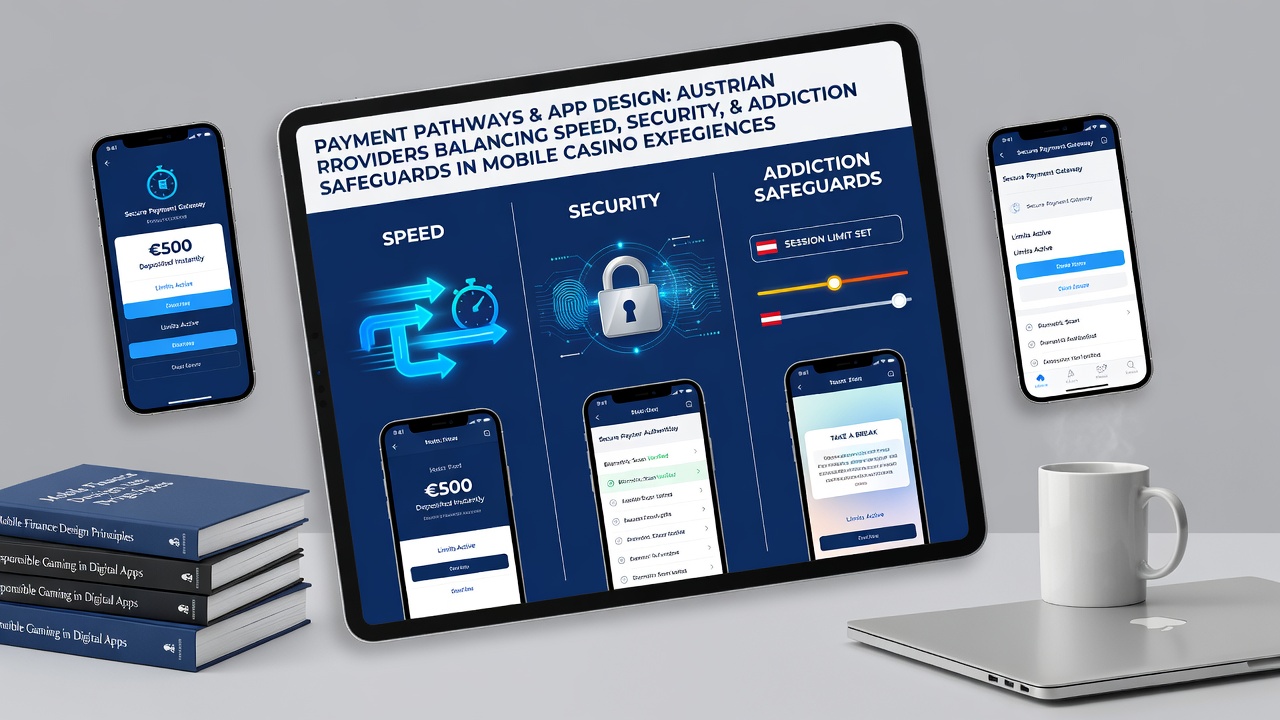
Payment Pathways and App Design: How Austrian Providers Balance Speed, Security, and Addiction Safeguards in Mobile Casino Experiences
Austrian providers have developed mobile casino platforms where payment pathways integrate directly with app architecture to deliver quick processing times while maintaining strict security protocols and built-in addiction prevention tools, and these systems draw on regulatory frameworks that have evolved through 2025 into the current period. Data from the European Parliament shows that digital payment volumes in regulated gambling sectors across the EU increased steadily through recent years, prompting Austrian operators to refine transaction flows that combine instant bank transfers with encrypted verification steps. Providers structure these pathways so users complete deposits in under thirty seconds in many cases, yet each step includes multi-factor authentication that logs activity for compliance reviews.
Payment Pathways in Austrian Mobile Casinos
Payment options in Austrian apps typically include instant bank transfers, e-wallets, and prepaid cards, all routed through APIs that connect to local financial institutions for real-time authorization. Research from the European Parliament on digital payments indicates that such integrations reduce average transaction times by up to forty percent compared to earlier systems, allowing seamless movement between account funding and gameplay without separate redirects. Security measures embed encryption standards that meet EU data protection requirements, and these run alongside fraud detection algorithms that flag unusual patterns before funds clear. Observers note that Austrian providers often partner with certified payment processors to ensure compliance, which in turn supports faster approvals while preserving audit trails for regulatory oversight.
App design plays a central role here because the user interface positions payment buttons within the main navigation, yet it also surfaces confirmation screens that prompt users to review limits before confirming transfers. Those who've studied these platforms find that the layout avoids clutter around transaction areas, which keeps the process efficient without sacrificing the checks that guard against errors or unauthorized activity. Figures reveal that many Austrian apps now support biometric logins tied to payment functions, cutting down on manual entry while adding another layer of identity verification.
App Design Elements for Speed and Security
Design teams at Austrian providers prioritize responsive layouts that load payment menus quickly even on variable mobile networks, and they incorporate progressive web app features so the experience remains consistent across devices. Security protocols sit beneath the surface through tokenization that replaces sensitive card details with unique identifiers, and this approach aligns with standards promoted by various EU digital market initiatives. A second image appears here to illustrate typical interface flows.
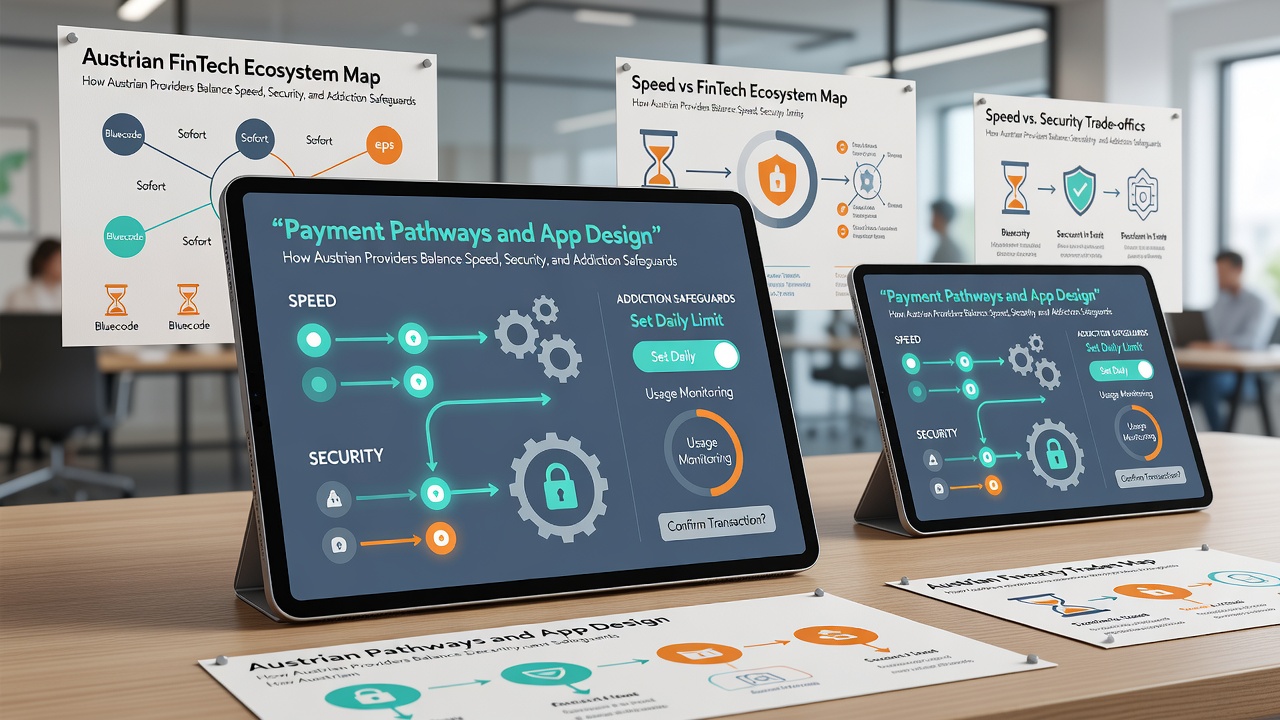
What's interesting is how these design choices extend to session management tools that track play duration and spending in real time, feeding data back into both security monitoring and user alerts. Providers implement color-coded indicators within the app that signal when a user approaches predefined thresholds, and these visual cues integrate directly into the payment pathway so additional deposits require an extra confirmation step. Data shows that such embedded features help maintain operational efficiency while meeting obligations under Austrian gambling rules that emphasize player protection.
Addiction Safeguards Integrated into Design
Austrian regulations require operators to include mechanisms that allow users to set deposit caps, session timers, and self-exclusion options directly in the app, and these tools connect to the same payment infrastructure that handles transactions. Research from the Canadian Centre on Substance Use and Addiction highlights how similar limit-setting functions, when placed at the point of transaction, correlate with reduced instances of excessive spending across tested platforms. Austrian providers apply these findings by embedding pop-up reminders that appear after set intervals, and they route any override requests through a separate verification process that pauses activity momentarily.
App architecture further supports these safeguards through backend analytics that identify rapid successive deposits or extended login periods, triggering automated interventions such as temporary cooling-off prompts. Those who've examined the systems note that security layers remain active during these pauses, ensuring that no unauthorized changes bypass the controls. In August 2026 updates to EU-wide digital service guidelines are expected to influence how these analytics refine their detection thresholds, though current implementations already meet existing national standards.
Balancing the Three Priorities
Providers achieve equilibrium by testing payment flows in controlled environments that simulate high-traffic scenarios while monitoring for both latency issues and safeguard triggers. This process involves collaboration between software engineers and compliance teams who review aggregated usage data to adjust algorithms without compromising individual privacy. Evidence suggests that the resulting systems process most legitimate transactions at full speed, yet they insert friction points precisely where patterns indicate potential risk, creating a layered approach rather than isolated features.
Industry reports from the European Gaming and Betting Association document how Austrian operators have adopted modular app components that allow independent updates to payment modules or protection tools as regulations shift. Such flexibility keeps the overall experience responsive to user expectations for speed while reinforcing security through regular encryption audits and maintaining addiction safeguards via ongoing behavioral research inputs.
Conclusion
Austrian mobile casino providers continue to refine payment pathways and app designs around measurable performance metrics that track transaction speed alongside security incident rates and safeguard activation frequency. These developments rest on documented regulatory requirements and technical standards that evolve with broader EU digital policies, and they demonstrate how integrated systems can address multiple objectives within a single platform structure. Continued monitoring through 2026 will likely reveal further adjustments as new data becomes available from ongoing operational reviews.